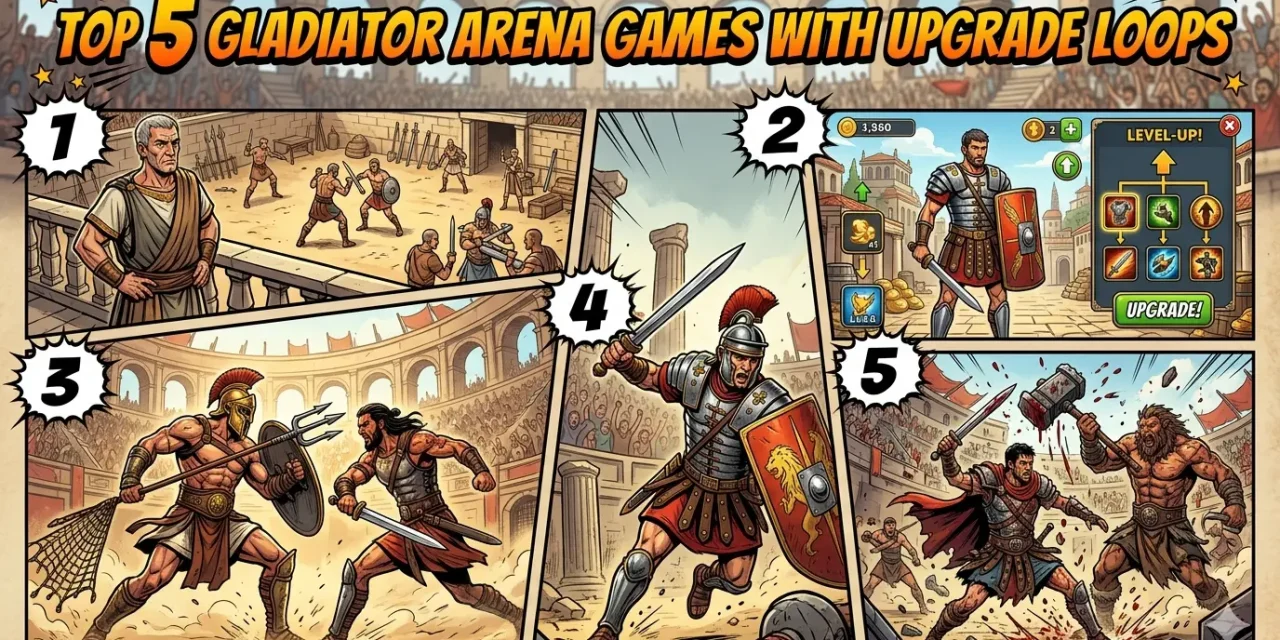
Gladiator arena games are popular because they create a clear journey. The player starts as a weak fighter, enters dangerous battles, earns rewards, upgrades weapons, improves skills, and slowly becomes a champion.
This type of game is easy to understand but very engaging. Every fight feels like a step toward progress. For app users, gladiator games offer action, survival, and reward satisfaction. For app and game developers, they are useful examples of upgrade loops, combat systems, tournament structures, and character progression.
Here are five gladiator arena games worth playing and studying.
1. Gladiator Manager
Gladiator Manager is a strategy-focused gladiator game where players manage fighters, train them, choose battles, and build a powerful gladiator school. Instead of only controlling combat directly, the player acts more like a manager.
This is interesting because it turns gladiator fighting into a business and strategy game. Players must think about training, equipment, risk, and long-term growth.
Enjoyable Fact:
Gladiator Manager shows that arena games do not always need only action. Management decisions can be as important as fighting.


2. Gladiator Heroes
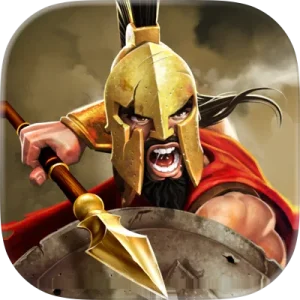
Gladiator Heroes is a mobile gladiator game that combines city building, fighter training, arena combat, and upgrades. Players can build a gladiator empire, recruit warriors, improve buildings, and send fighters into battle.
The game is useful for developers because it mixes multiple loops: base building, character upgrading, combat, and resource management. This creates more reasons for players to return daily.
Enjoyable Fact:
Gladiator Heroes makes the player feel like both a warrior trainer and an arena empire builder.
3. Shadow of Rome
Shadow of Rome is an older but memorable gladiator action game. It includes brutal arena battles, Roman settings, weapons, and story-driven action. The game is remembered for its strong atmosphere and cinematic combat.
For developers, Shadow of Rome is a good example of how arena combat can be mixed with story. The fights are not just isolated matches; they are part of a dramatic world.
Enjoyable Fact:
Shadow of Rome made gladiator battles feel like a dramatic survival event inside ancient Rome.
4. Ryse: Son of Rome
Ryse: Son of Rome is not purely a gladiator game, but it includes Roman combat, arena-style battles, cinematic action, and warrior progression. Players fight with swords, shields, executions, and military-style combat.
This game is useful for developers because it shows how historical action can be made visually powerful. Strong animation, sound, and cinematic camera work make each fight feel intense.
Enjoyable Fact:
Ryse proves that presentation can make simple combat feel grand and heroic.
5. We Who Are About To Die
We Who Are About To Die is a roguelite gladiator RPG where players fight in arenas, manage equipment, survive battles, and try to build a successful gladiator career. The game focuses on physics-based combat and progression.
This is a strong example of modern gladiator design because each run can feel different. The player must survive, earn money, buy gear, and choose battles carefully.
Enjoyable Fact:
The game title comes from the famous gladiator phrase linked with ancient Roman arena culture.
Conclusion
Gladiator arena games are successful because they combine survival, combat, upgrades, and status growth. Gladiator Manager gives strategy. Gladiator Heroes gives mobile base-building and combat. Shadow of Rome gives story-driven arena action. Ryse gives cinematic Roman battles. We Who Are About To Die gives roguelite gladiator survival.
For app users, these games offer the thrill of becoming a champion. For app and game developers, they show how arena combat can become a strong software product. A gladiator idea can become a mobile game, strategy manager, RPG, action game, or survival simulator when designed with clear upgrades and rewarding progression.