Selecting the right development framework can make or break your app project. With cross-platform frameworks gaining massive adoption, Indian developers now have powerful options that reduce costs by 60% while maintaining native performance. This comprehensive guide helps you choose the perfect framework for your 2025 app development needs
Why Development Frameworks Matter
The right development frameworks determine your app’s performance, scalability, and time-to-market. Flutter has emerged as a more popular choice than React Native, but your specific project requirements should guide this critical decision. Whether building for startups or enterprises, framework selection impacts everything from development costs to user experience
Top 5 Development Frameworks Compared
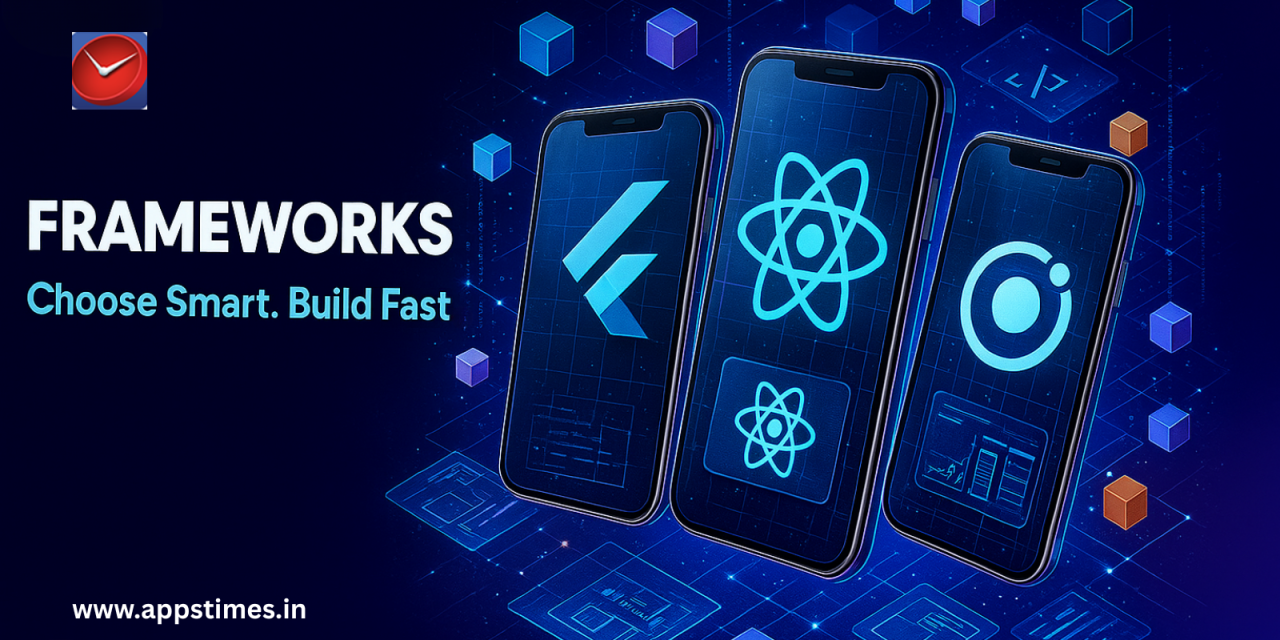
1. Flutter – Google’s Performance Champion

Flutter uses Dart language and delivers exceptional performance through ahead-of-time compilation. Flutter offers a native-like experience and high performance, making it a favorite for startups and enterprises alike
Best For: Visually stunning apps, custom UI designs
Used By: Google Pay, Alibaba, BMW
Cost: Free and open-source
Learning Curve: Moderate (Dart language)
2. React Native – JavaScript Powerhouse
React Native, created by Facebook, enables top apps including Instagram, Walmart, Airbnb, Tesla, Messenger, and Skype with a single JavaScript codebase
Best For: JavaScript teams, rapid prototyping
Used By: Facebook, Microsoft, Shopify
Cost: Free and open-source
Learning Curve: Easy (if you know React)
3. Ionic Framework – Web-Based Excellence
Ionic leverages web technologies (HTML, CSS, JavaScript) to create hybrid apps. Perfect for PWA development and quick market validation
Best For: Web developers, simple apps
Used By: MarketWatch, Sworkit, JustWatch
Cost: Free with premium features
Learning Curve: Easy (web technologies)
4. Xamarin – Microsoft’s Cross-Platform Solution
Xamarin uses C# and .NET framework for native Android and iOS apps. Excellent for enterprises already invested in Microsoft ecosystem
Best For: Enterprise apps, C# developers
Used By: UPS, Alaska Airlines, Fox Sports
Cost: Free with Visual Studio
Learning Curve: Moderate (C# required)
5. NativeScript – True Native Performance
NativeScript offers direct access to native APIs using JavaScript, TypeScript, or Angular. Ideal for apps requiring extensive native functionality
Best For: Complex native features
Used By: SAP, Puma, Daily Nanny
Cost: Free and open-source
Learning Curve: Moderate to advanced
Framework Selection Criteria
Performance Requirements
Flutter uses Ahead of Time compilation while React Native uses Just in Time compilation, affecting app performance differently. For gaming or graphics-intensive apps, consider native or Flutter
Team Expertise
React Native feels like building a web app that runs on mobile, using JavaScript/React principles. Match frameworks to your team’s existing skills for faster development
Budget Considerations
Cross-platform development frameworks reduce costs significantly. A single Flutter codebase serves iOS and Android, cutting development expenses by 40-60%
Scalability Needs
Flutter is best for creativity and visual excellence, while React Native is ideal for experienced JavaScript teams and scalable apps. Plan for future growth from day one
Community Support
Strong communities mean better plugins, faster problem-solving, and long-term viability. Both Flutter and React Native have massive developer ecosystems
Decision Framework
Choose Flutter if:
- You need custom, beautiful UIs
- Performance is critical
- You’re starting fresh without legacy code
Choose React Native if:
- Your team knows JavaScript/React
- You need web app integration
- Quick prototyping matters most
Choose Ionic if:
- You’re building a simple app
- Web developers are your primary resource
- Budget is extremely tight
Real-World Success Stories
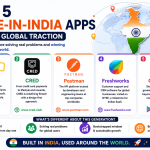
Indian unicorns have leveraged these frameworks effectively. From fintech startups using React Native to e-commerce platforms choosing Flutter, development frameworks enable rapid scaling at fraction of native development costs
Getting Started
Most development frameworks offer excellent documentation and starter templates. Begin with small proof-of-concept projects, test performance benchmarks, and validate against your specific requirements before committing to full development
Conclusion
Choosing the right development frameworks requires balancing performance, cost, and team capabilities. The choice comes down to people—your developers, your users, and your company’s vision. Evaluate each framework against your project requirements, test thoroughly, and select the option that aligns with your long-term goals. Start with our framework comparison, experiment with demos, and build the app your users will love.
Explore more development strategies in our guides on no-code app builders and discover trending app ideas for 2025 inspiration