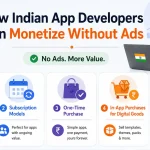
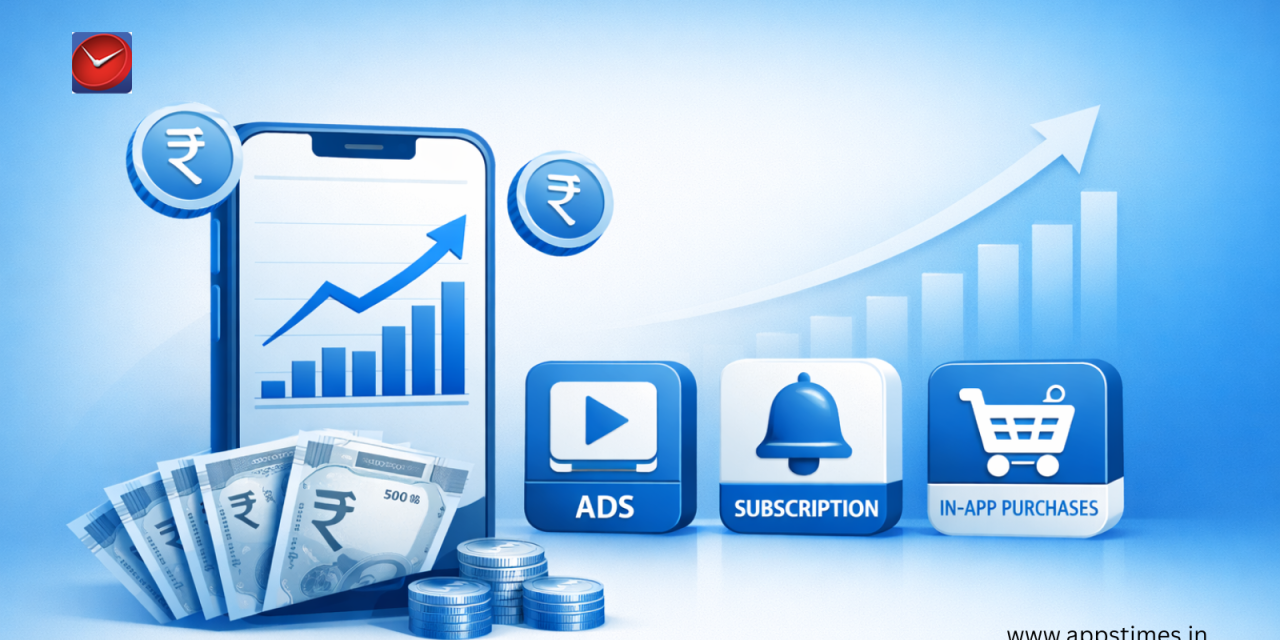
App monetization has evolved dramatically in 2026, with Indian developers earning over ₹45,000 crore annually from mobile applications. Whether you’re building your first app or scaling an existing product, understanding proven monetization strategies separates profitable apps from abandoned projects. The Indian app economy now supports 2.8 million developers, yet only 17% successfully monetize their creations beyond negligible revenue. This comprehensive guide explores 12 battle20-tested monetization methods generating sustainable income for developers, complete with real-world examples, implementation steps, and revenue projections based on current market data
Why App Monetization Matters More Than Ever
The global app economy reached $475 billion in 2024, with India contributing $18.2 billion—a 42% year-over-year increase. Mobile users now spend 4.8 hours daily on apps, creating unprecedented monetization opportunities for developers who implement the right strategies. The democratization of app development through code-free app building methods means more creators enter the market, intensifying competition for user attention and spending. However, this also expands the addressable market—India’s smartphone penetration hit 68% in 2024, bringing 520 million new potential app users compared to 2020. Understanding monetization fundamentals isn’t optional anymore; it’s essential for app survival in an oversaturated marketplace
1. In-App Advertising: The Freemium Foundation
How It Works: Display advertisements within your free app, earning revenue per thousand impressions (CPM), clicks (CPC), or actions (CPA). Ad networks like Google AdMob, Meta Audience Network, and Unity Ads connect your app inventory with advertisers bidding for user attention.
Revenue Potential: Indian apps earn ₹80-₹400 per 1,000 ad impressions depending on user demographics and ad placement. An app with 50,000 daily active users viewing 10 ads each generates approximately ₹1.2-6 lakhs monthly from advertising alone.
Implementation Strategy: Start with banner ads in non-intrusive locations (bottom of screens), then progressively introduce rewarded video ads offering in-app benefits for viewing 30-second videos. Native ads matching your app’s design perform 3x better than standard banners. Limit ad frequency to maintain user experience—research shows 7+ ads daily triggers 34% higher uninstall rates.
Best For: Gaming apps, news aggregators, utility apps, content platforms with high daily engagement. Following successful mobile app marketing strategies ensures you build the user base necessary for advertising revenue to scale meaningfully
2. Freemium Model: Converting Free Users to Premium Subscribers
How It Works: Offer core functionality free while restricting advanced features behind a paid subscription or one-time purchase. Apps like Spotify, Duolingo, and Canva demonstrate freemium’s power—give value freely, then create upgrade desire through feature limitations.
Revenue Potential: Successful freemium apps convert 2-5% of free users to paid subscriptions. An app with 100,000 users converting 3% at ₹299/month generates ₹8.97 lakhs monthly recurring revenue (MRR). Lifetime value (LTV) of converted users averages 18-24 months subscription tenure.
Implementation Strategy: Identify your app’s “aha moment”—the point where users recognize value. Provide enough free features to reach that moment, then gate advanced capabilities behind premium tiers. Use feature comparison tables highlighting premium benefits, offer limited-time discounts (₹199 instead of ₹299 for first month), and implement progress-based upgrade prompts (“You’ve completed 10 free designs—unlock unlimited creations!”).
Best For: Productivity tools, creative apps, fitness trackers, language learning platforms, meditation apps. Entrepreneurs should explore the future of IoT integration to add premium features users will pay for, such as smart device connectivity.
3. In-App Purchases: Microtransactions That Add Up
How It Works: Sell virtual goods, power-ups, extra lives, cosmetic items, or content packs within your app. Mobile games generate 79% of their revenue through in-app purchases, proving users willingly pay for digital items enhancing their experience.
Revenue Potential: Gaming apps average ₹1,200-₹3,500 per paying user annually. Just 1.9% of users make purchases, but these “whales” contribute 64% of total revenue. An app with 200,000 users where 2% spend averages ₹76 lakhs monthly.
Implementation Strategy: Create desire through scarcity (limited-time offers), status (exclusive items), and convenience (skip waiting times). Implement multiple price points (₹49, ₹149, ₹499, ₹1,999) capturing different spending capacities. Use psychology principles—bundle items providing perceived value (5 items for ₹199 versus ₹50 each), offer first-time buyer discounts (50% off first purchase), and create urgency through countdown timers on special offers.
Best For: Mobile games, photo editing apps, music creation tools, fashion shopping apps, dating platforms. Understanding broader startup ecosystem strategies helps position your in-app purchase offerings competitively.
4. Subscription Revenue: Predictable Monthly Income
How It Works: Charge users recurring fees (weekly, monthly, annually) for continuous app access or content. Netflix pioneered this for streaming; now productivity apps, news platforms, and fitness apps successfully implement subscriptions.
Revenue Potential: Subscription apps generate 4-7x higher lifetime value than one-time purchases. Monthly subscriptions of ₹199-₹499 create predictable revenue streams. An app with 25,000 paying subscribers at ₹299/month generates ₹74.75 lakhs MRR.
Implementation Strategy: Offer annual plans at 40-50% discount versus monthly (₹2,999/year instead of ₹299/month saves ₹590), reducing churn and locking in revenue. Provide multi-tier subscriptions—Basic (₹149), Pro (₹299), Business (₹699)—capturing different user segments. Implement grace periods (3-7 days) when payments fail, minimizing involuntary churn from expired cards. Use retention campaigns targeting users before renewal dates with exclusive content or features.
Best For: Streaming services, professional tools, SaaS apps, fitness coaching, premium news, meditation apps. Learning from resource-rich development guides helps build subscription features users value enough to maintain long-term.
5. Sponsorships and Brand Partnerships
How It Works: Partner with brands targeting your user demographic, integrating sponsored content, branded experiences, or exclusive offers within your app. Fitness apps partner with sports brands, travel apps with airlines, and cooking apps with food delivery services.
Revenue Potential: Apps with 100,000+ engaged users command ₹2-8 lakhs monthly from single sponsorship deals. Multiple partnerships stack revenue—fitness apps average 3-5 simultaneous sponsors generating ₹10-25 lakhs monthly combined.
Implementation Strategy: Build media kits showcasing user demographics (age, income, interests, locations), engagement metrics (daily active users, session duration, retention rates), and unique value propositions. Approach brands whose target customers match your users. Create native sponsored content maintaining user experience—product placements in relevant contexts rather than disruptive ads. Negotiate performance bonuses tied to conversions (₹50-₹200 per user who purchases sponsored products).
Best For: Lifestyle apps, fitness trackers, recipe platforms, fashion apps, travel guides, shopping aggregators. Developers can find collaboration opportunities through industry news and partnership announcements.
6. Affiliate Marketing: Earning Commissions on Referrals
How It Works: Promote third-party products or services relevant to your users, earning commissions (5-30%) on resulting purchases. Travel apps refer hotel bookings, shopping apps link product purchases, and fitness apps recommend equipment—all earning referral fees.
Revenue Potential: Apps with targeted niches earn ₹1.5-6 lakhs monthly from affiliate commissions. Shopping comparison apps average ₹450 per converted user, meaning 500 monthly conversions generate ₹2.25 lakhs additional revenue.
Implementation Strategy: Join affiliate networks like Amazon Associates (4-10% commissions), Commission Junction, or niche-specific programs (fitness equipment, travel bookings, courses). Integrate affiliate links naturally within content—recipe apps linking ingredients, fashion apps linking outfit pieces, tech review apps linking products. Disclose affiliate relationships transparently maintaining user trust. Track performance meticulously, doubling down on highest-converting partnerships while eliminating underperformers.
Best For: Review platforms, comparison apps, niche communities, shopping assistants, educational apps. Success requires understanding industry editorial standards for maintaining credibility while monetizing recommendations.
7. Data Monetization: Ethical Anonymous Insights
How It Works: Aggregate anonymized user behavior data, selling insights to market research firms, advertisers, or businesses seeking consumer trends. Crucially, this requires transparent user consent and must never compromise individual privacy or sell personally identifiable information.
Revenue Potential: Apps with 500,000+ users earn ₹3-12 lakhs monthly from ethical data monetization. Market research firms pay ₹0.10-₹0.50 per anonymized user profile monthly for behavioral insights.
Implementation Strategy: Implement clear opt-in consent during onboarding, explaining exactly what data you collect and how it’s used. Work only with reputable data partners maintaining strict privacy standards. Aggregate data thoroughly—no individual user should be identifiable in datasets. Offer users benefits for participation (premium features, exclusive content) incentivizing opt-in rates while maintaining ethical practices.
Best For: Apps with large user bases, shopping apps, travel platforms, lifestyle apps. This strategy requires careful consideration of evolving privacy regulations and maintaining user trust as the foundation.
8. White Label Licensing: Selling Your Technology
How It Works: License your app’s underlying technology, features, or entire platform to other businesses who rebrand it as their own. Successful apps with proven functionality become software-as-a-service platforms, earning recurring licensing fees.
Revenue Potential: White label deals generate ₹8-50 lakhs per client annually depending on app complexity and customization. Apps licensing to 10 businesses at ₹25 lakhs average earn ₹2.5 crores annually from licensing alone.
Implementation Strategy: Build modular, customizable systems allowing branding changes, feature toggling, and integration flexibility. Create comprehensive documentation enabling client self-service. Offer tiered pricing—basic license (₹8 lakhs), customization included (₹15 lakhs), dedicated support (₹25 lakhs). Target businesses needing app presence but lacking development resources—restaurants, gyms, small retail chains, professional services.
Best For: Booking systems, CRM apps, inventory management, employee scheduling, customer loyalty platforms. Exploring web app development trends reveals opportunities for cross-platform licensing expanding addressable markets.
9. Transaction Fees: The Marketplace Model
How It Works: Facilitate transactions between users or between users and service providers, charging 10-30% commission per transaction. Uber, Airbnb, and food delivery apps exemplify this model—they don’t own inventory but earn fees facilitating exchanges.
Revenue Potential: Marketplace apps with ₹1 crore monthly gross merchandise value (GMV) earning 20% commission generate ₹20 lakhs monthly revenue. As GMV scales, even small percentage fees compound dramatically—Swiggy and Zomato each process billions monthly.
Implementation Strategy: Start with competitive commission rates attracting suppliers/service providers. As liquidity improves (more providers, more users), gradually increase rates. Implement seller/provider subscriptions reducing per-transaction fees (pay ₹2,999/month for 10% commission instead of 25%). Add premium placement fees (featured listings), advertising opportunities, and analytics tools monetizing beyond transactions.
Best For: Service marketplaces, freelance platforms, rental apps, food delivery, transportation, peer-to-peer selling. Understanding success stories from Indian startups provides blueprint templates for marketplace growth.
10. Premium Content and Paywalls
How It Works: Offer exclusive, high-value content accessible only through purchase or subscription. News apps, educational platforms, and premium communities use paywalls separating free content from premium material.
Revenue Potential: News apps convert 3-7% of free readers to paid subscribers at ₹199-₹499 monthly. Educational content apps charging ₹999-₹2,999 for courses generate significant per-user revenue despite lower conversion rates (0.5-2%).
Implementation Strategy: Implement metered paywalls (5 free articles monthly, then subscription required) maximizing free user engagement while converting heavy users. Create urgency through limited-time access (24-hour unlock passes for ₹49). Bundle related content increasing perceived value (all leadership courses for ₹1,999 versus ₹499 each). Offer institutional subscriptions (₹9,999 for 10 team members) capturing B2B revenue.
Best For: News media, online courses, research platforms, professional development, expert communities, premium newsletters.
11. Crowdfunding and Donations
How It Works: Request voluntary financial support from users who value your app, either through one-time donations or recurring patronage via platforms like Patreon, Buy Me a Coffee, or in-app tipping systems.
Revenue Potential: Apps with passionate user bases convert 1-3% to donors averaging ₹150-₹500 monthly. An app with 50,000 users converting 2% at ₹250/month generates ₹2.5 lakhs MRR from donations alone.
Implementation Strategy: Communicate value clearly—explain how donations fund development, new features, and sustainability. Offer donor recognition (supporter badges, early access to features, exclusive content). Create transparency through development updates showing exactly how contributions improve the app. Implement multiple giving levels (₹49, ₹149, ₹499, ₹999) capturing various financial capacities.
Best For: Open-source apps, community tools, privacy-focused platforms, educational resources, passion projects with devoted users.
12. Physical Product Sales
How It Works: Sell physical merchandise, equipment, or products related to your app’s purpose. Fitness apps sell workout gear, recipe apps sell cookbooks, meditation apps sell cushions and aromatherapy products.
Revenue Potential: Apps converting 0.5-2% of users to product purchases at ₹500-₹3,000 average order values generate ₹5-40 lakhs monthly revenue. Margins on physical products (30-60%) create profitable channels complementing digital revenue.
Implementation Strategy: Start with dropshipping eliminating inventory risk—partner with manufacturers who ship directly to customers. Create branded merchandise building community identity (t-shirts, stickers, accessories). Develop exclusive products unavailable elsewhere (custom workout equipment, specialized tools). Bundle digital + physical offerings (app subscription + starter kit) increasing perceived value and customer commitment.
Best For: Fitness apps, hobby communities, recipe platforms, DIY apps, fashion apps, pet care platforms
Combining Strategies for Maximum Revenue
Successful apps rarely rely on single monetization methods—they layer complementary strategies maximizing revenue per user. A fitness app might combine freemium subscriptions (₹299/month), affiliate commissions (equipment referrals), sponsored workouts (brand partnerships), and merchandise sales. This diversification stabilizes revenue streams while optimizing for different user segments—free users watch ads, engaged users subscribe, fitness enthusiasts buy equipment.
The key is maintaining user experience throughout monetization efforts. Overly aggressive tactics (excessive ads, restrictive freemium, pushy upsells) trigger uninstalls and negative reviews, ultimately destroying the user base necessary for any monetization to work. Balance revenue optimization with user satisfaction, continuously testing different approaches and measuring their impact on retention, engagement, and lifetime value.
Measuring Success: Key Metrics to Track
Monitor these critical metrics assessing monetization effectiveness: Average Revenue Per User (ARPU), Customer Lifetime Value (LTV), Customer Acquisition Cost (CAC), LTV:CAC ratio (aim for 3:1 minimum), conversion rates for each monetization funnel, churn rate (monthly subscriber losses), and net revenue retention (revenue from existing users accounting for churn and expansion). Successful apps iterate based on data, not assumptions—A/B test pricing, placement, messaging, and features continuously optimizing for revenue without compromising user experience.
Getting Started: Your Monetization Action Plan
Begin by analyzing your current user base—demographics, behaviors, engagement patterns, and willingness to pay. Survey users directly asking what they’d pay for and why. Start with one or two monetization methods matching your app type and audience, implementing them thoughtfully with minimal friction. Measure results religiously, identifying what works and what frustrates users. Gradually layer additional strategies as you learn what resonates, always prioritizing user value alongside revenue extraction. Remember: sustainable monetization comes from creating value users willingly pay for, not tricking them into unwanted purchases or tolerating intrusive ads.
Download successful business apps from Google Play Store to study their monetization implementations, or explore top-grossing apps on iOS App Store learning from proven revenue models. Your app monetization journey starts today—implement these strategies thoughtfully, measure relentlessly, and optimize continuously for sustainable income transforming your app from passion project to profitable business.