tion badge sits on their LinkedIn. Here’s a realistic path into the field. Understanding the difference between organic and paid strategies early on also helps a candidate speak more precisely in interviews rather than using digital marketing as a vague catch-all term.
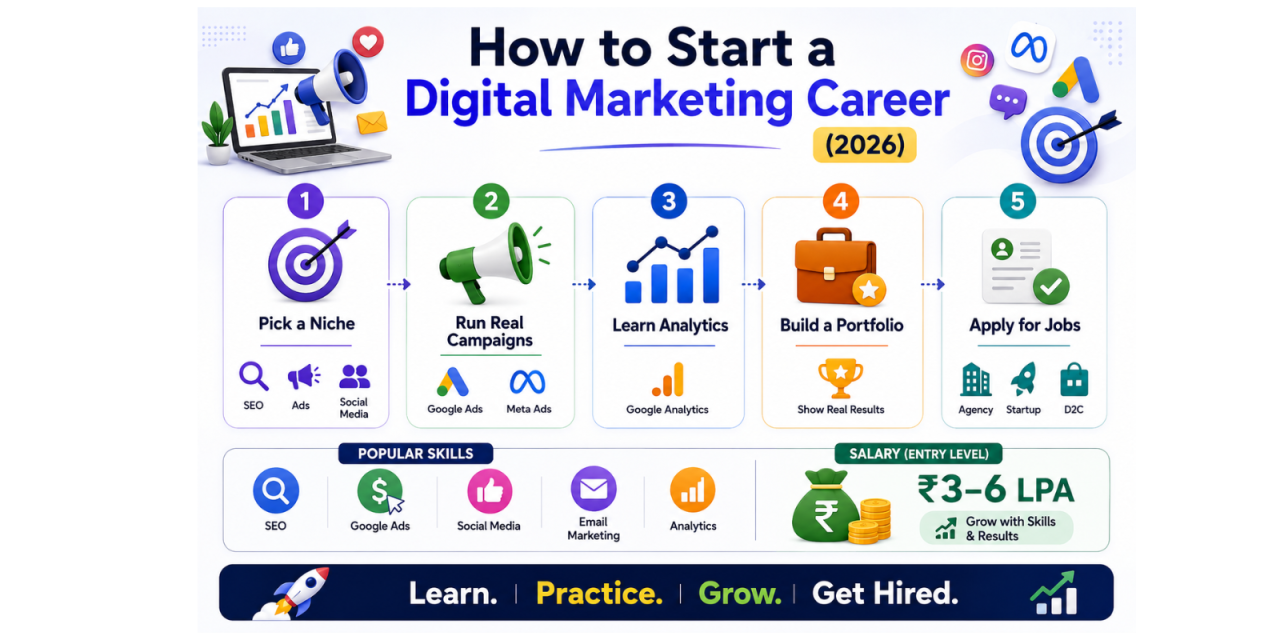
Pick a Specialization Early
Digital marketing is genuinely broad, spanning SEO, paid ads, social media, and email marketing, so picking one specialization to go deep on early, rather than staying a generalist, tends to make a candidate noticeably more hireable for a first role.
Get Hands-On with Real Ad Platforms
Running actual small paid campaigns through Meta Ads Manager or Google Ads, even with a tiny personal budget, teaches genuinely practical skills that no amount of theoretical course content can substitute for when a hiring manager asks about real results.
Learn Analytics Tools Properly
Comfort with Google Analytics and basic spreadsheet reporting separates candidates who can just run a campaign from those who can explain whether it actually worked, which is precisely the skill most Indian marketing teams are short on.
Build a Portfolio Around Real Campaigns
Managing social media or running a small ad campaign for a local business, even unpaid, gives a portfolio genuine substance that a purely theoretical course certificate simply can’t match in an interview.
Target the Right Entry Roles
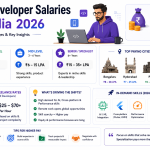
Digital marketing executive, performance marketing associate, and social media coordinator roles at Indian D2C brands, agencies, and startups typically offer the most realistic entry points, often paying between three and six lakhs annually to start, with specialized performance marketers at larger companies earning considerably more as their track record of results builds.
Agency experience is worth strongly considering for a first role even at lower initial pay, since agencies typically expose a new marketer to several different clients and industries far faster than an in-house role at a single brand would. It’s also worth being realistic that entry-level roles involve a lot of reporting and campaign monitoring rather than glamorous creative strategy work, and that grunt work genuinely builds the analytical judgment senior marketers rely on later. Free platform certifications from Google and Meta are worth completing since they’re genuinely free and widely recognized, but they should support a real portfolio of campaigns rather than substitute for one entirely, since Indian hiring managers increasingly ask for actual results over course completions.
Digital marketing in India rewards demonstrated results over formal credentials more clearly than most careers, which genuinely favors self-taught candidates willing to run real campaigns even at a tiny scale. Pick one specialization, build a small portfolio around actual results, and target entry-level roles at agencies or growing D2C brands rather than waiting for a perfect senior opening to appear. The candidates who move fastest tend to be the ones who started running small real campaigns months before they even began actively job hunting.