Blockchain development has carved out a genuinely specialized, well-compensated niche within India’s broader tech ecosystem, with demand coming from crypto exchanges, decentralized finance projects, and a growing number of traditional companies exploring blockchain applications for supply chain and payments. The field rewards demonstrated smart contract and blockchain protocol skill through real deployed projects more than a specific degree, keeping the path genuinely accessible to developers transitioning from traditional web or backend development who are willing to learn the blockchain-specific concepts on top of skills they already have. With India remaining one of the largest crypto and Web3 developer communities globally despite regulatory uncertainty around the underlying assets themselves, demand for genuinely capable blockchain developers has stayed meaningfully strong. Here’s a realistic path into the field for someone starting from outside it.
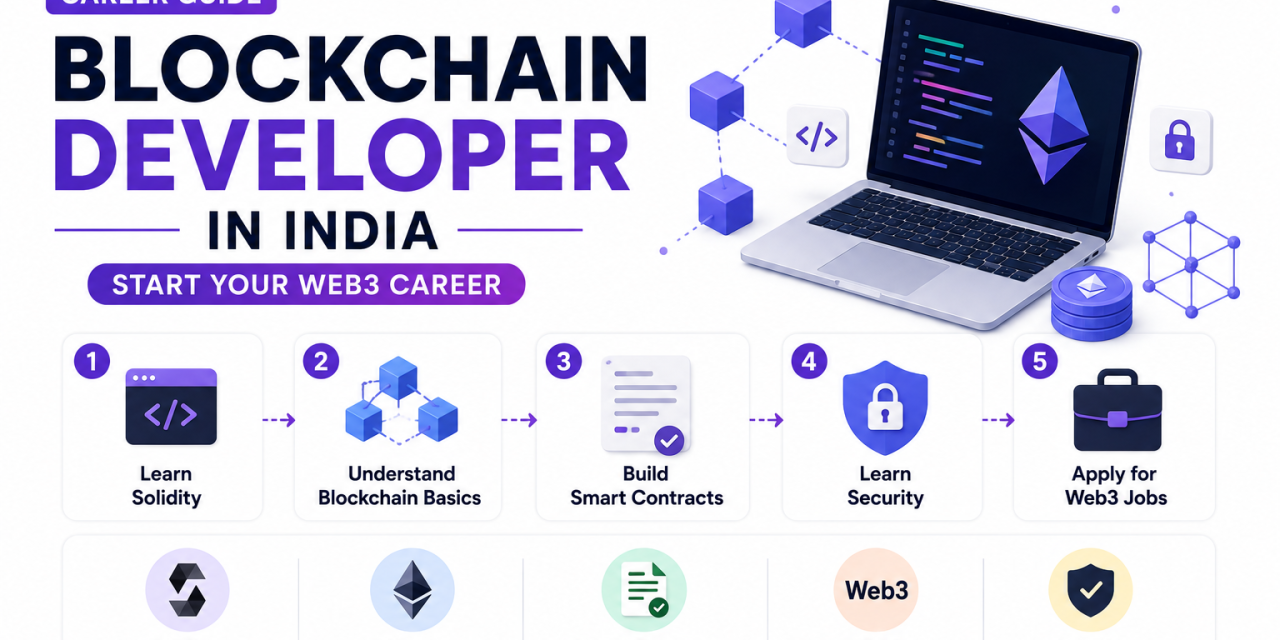
Learn Solidity or a Relevant Smart Contract Language
Solidity remains the most widely used language for writing smart contracts on Ethereum and many compatible chains, making it the natural starting point, though newer chains use different languages worth researching based on which specific ecosystem interests you most.
Understand Blockchain Fundamentals Deeply
Genuinely understanding how consensus mechanisms, gas fees, and transaction finality actually work matters more than memorizing syntax, since smart contract bugs stemming from a misunderstanding of these fundamentals have caused some of the industry’s most expensive real-world exploits.
Build and Deploy Real Smart Contracts
Writing and actually deploying a smart contract to a testnet, then ideally a real but small-scale mainnet project, demonstrates genuine practical capability that a portfolio of only local, undeployed practice contracts doesn’t fully prove to a hiring team.
Learn Smart Contract Security Practices
Given how costly smart contract vulnerabilities can be once deployed, genuine familiarity with common security pitfalls and auditing practices meaningfully differentiates a candidate, since security awareness is treated as a core skill in this field rather than an optional specialization.
Target the Right Entry Roles
Junior blockchain developer, smart contract developer, and Web3 engineer roles at Indian crypto exchanges, DeFi projects, and blockchain-focused startups typically offer the most realistic entry points, often paying between six and twelve lakhs annually to start, with experienced smart contract developers and auditors earning considerably more given the specialized nature and genuine scarcity of proven talent in the field.
Contributing to open source blockchain projects or participating in a Web3 hackathon offers a genuinely valuable way to build both a portfolio and real industry connections simultaneously, since the blockchain developer community in India remains tightly networked and hackathon participation often leads directly to job opportunities or freelance contracts. It’s worth being realistic that the regulatory environment around cryptocurrency in India has remained genuinely uncertain, which affects some business models more than the underlying technical blockchain development work itself, so researching a specific company’s business model and legal standing is worth doing before committing to a role. Free resources like Ethereum’s own documentation and various Solidity bootcamp courses offer genuinely structured starting points before investing in more expensive specialized blockchain certification programs.
Blockchain development in India rewards demonstrated smart contract skill and genuine security awareness over formal academic credentials more clearly than many tech careers, genuinely favoring motivated developers willing to learn this specialized skill set. Master Solidity or a relevant alternative, build and deploy real smart contracts, prioritize security practices from the start, and target junior blockchain or Web3 engineer roles rather than waiting for a senior opening to appear before gaining that crucial first real deployed-project experience.